by cpwinch
Share
Electric Winch vs Hydraulic Winch: Which One Is Better for Heavy Duty Applications?
Experience
30+ Years Rich Experience
Digital Solutions
R&D Team standing by
24/7 Support
We are here for you
When selecting a heavy-duty winch, many customers need to decide between an electric winch and a hydraulic winch.
Both types can provide strong pulling force, but they are designed for different working environments.
An electric winch is usually preferred for applications where power supply is available and simple operation is required. A hydraulic winch is often chosen for projects that need high torque, continuous operation or work in harsh conditions.
The better choice depends on the actual application, working frequency and installation environment.
What Is an Electric Winch?
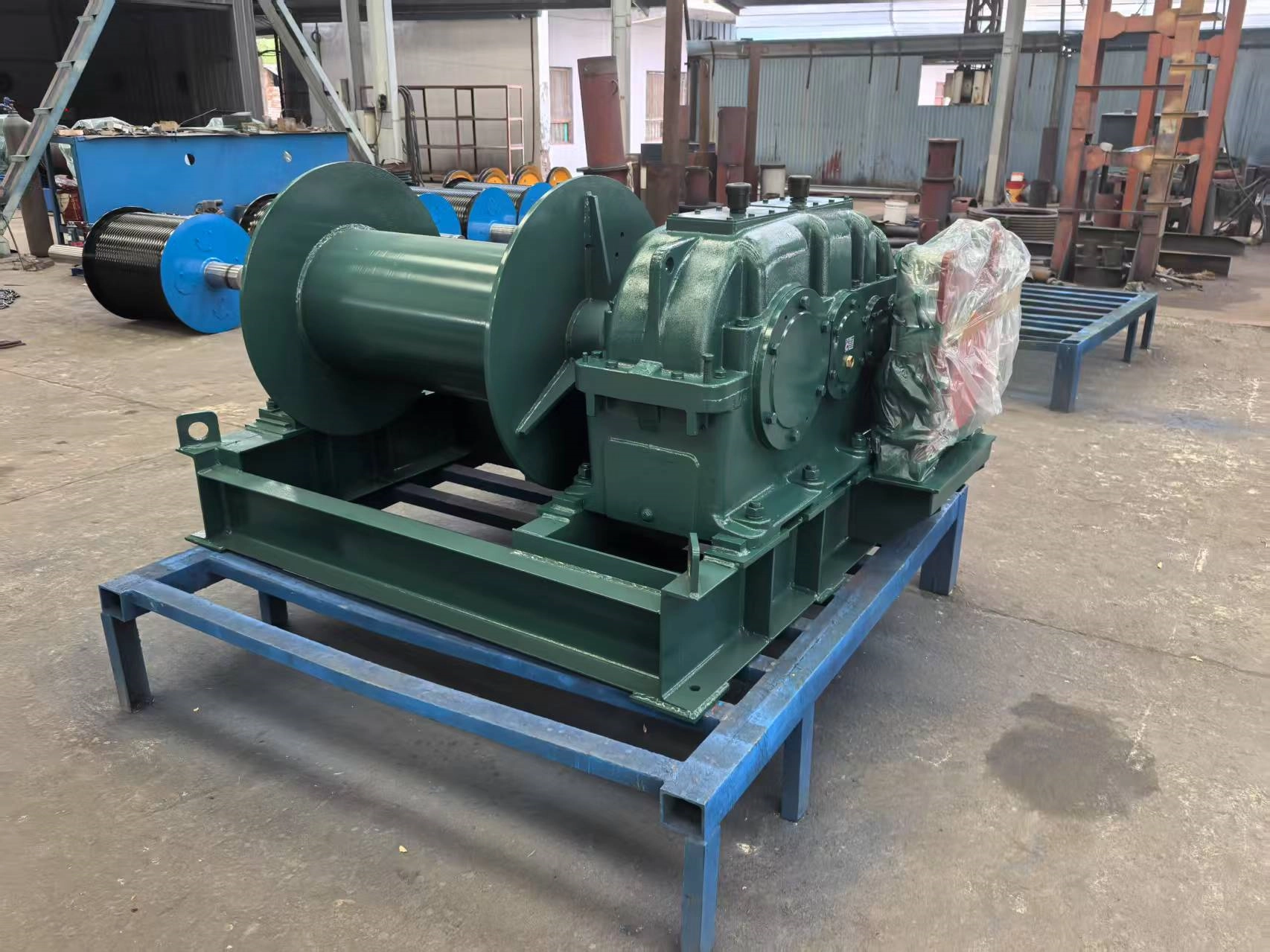
An electric winch uses an electric motor as the power source to drive the gearbox and drum.
Because it can be connected directly to an electrical system, electric winches are widely used in factories, construction sites, shipyards and general industrial applications.
Electric winches are popular because they have a simple structure, convenient control and relatively easy maintenance.
For projects with stable power supply, an electric winch can provide an economical and efficient solution.
What Is a Hydraulic Winch?
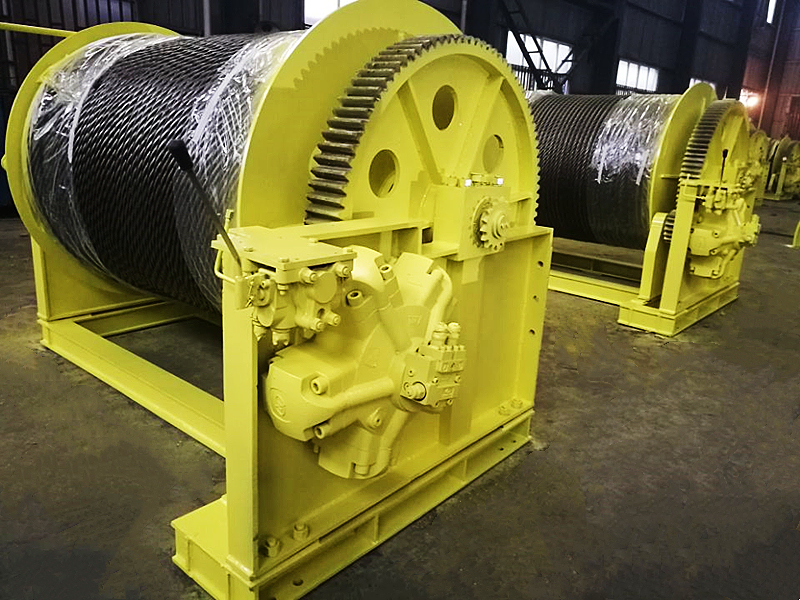
A hydraulic winch uses hydraulic power to generate pulling force.
Compared with electric systems, hydraulic winches can provide higher torque and perform well under heavy loads or difficult working conditions.
They are commonly used in:
- Offshore projects
- Marine vessels
- Mining equipment
- Heavy construction machinery
Hydraulic systems are especially suitable where continuous operation and strong overload capability are required.
Electric Winch vs Hydraulic Winch: Main Differences
| Feature | Electric Winch | Hydraulic Winch |
|---|---|---|
| Power Source | Electric motor | Hydraulic motor |
| Main Advantage | Easy installation and maintenance | High torque and heavy-duty performance |
| Common Applications | Factory, construction, shipyard | Marine, offshore, mining |
Performance Comparison
Pulling Capacity: Both electric and hydraulic winches can be manufactured for heavy-duty applications.
However, hydraulic winches usually have an advantage in extremely demanding environments because hydraulic systems can deliver stable torque under high loads.
For normal industrial lifting and pulling operations, a properly designed electric winch can also provide reliable performance.
Operation and Control: Electric winches are generally easier to install because they only require an electrical connection and control system.
They are suitable for customers who want simple operation and lower maintenance requirements.
Hydraulic winches require a hydraulic power unit and related components, making the system more complex. However, hydraulic control provides excellent flexibility for professional marine and industrial applications.
Maintenance Requirements: Maintenance is another important consideration.
Electric winches mainly require inspection of:
-
Motor condition, Brake system, Gearbox, Wire rope
Hydraulic winches require additional attention to:
-
Hydraulic oil, Hydraulic hoses, Hydraulic valves, Power unit condition
For remote projects, maintenance conditions should be considered before making a decision.
Which Winch Is Better for Different Applications?
For factory material handling, construction equipment movement and general industrial use, electric winches are often the preferred choice because installation is simpler and operating costs are lower.
For offshore platforms, marine vessels and heavy-duty pulling operations, hydraulic winches are usually more suitable because they can handle demanding working conditions.
For example, a shipyard may choose an electric winch for equipment positioning, while an offshore service vessel may require a hydraulic towing winch.
Factors to Consider Before Choosing a Winch
The right choice should not only depend on power type.
Customers should also consider:
- Required pulling capacity
- Working hours per day
- Installation space
- Available power supply
- Environmental conditions
- Safety requirements
A winch working occasionally in a factory has completely different requirements from a winch operating continuously on a marine vessel.
Calculating winch pulling capacity correctly is an important step before purchasing industrial winch equipment.
The right winch should match not only the load weight but also the working environment, rope arrangement, duty cycle and safety requirements.
For large projects, customized design from an experienced winch manufacturer can help improve efficiency and reduce operational risks.
Can Electric and Hydraulic Winches Be Customized?
Yes. Heavy-duty winches are often customized according to project requirements.
Customization options may include:
- Pulling capacity
- Drum size
- Wire rope length
- Control method
- Mounting design
- Motor configuration
CPWINCH provides customized electric winch and hydraulic winch solutions for marine, industrial, and construction applications.
There is no single answer to whether an electric winch or hydraulic winch is better.
Electric winches are a practical choice for projects requiring easy installation, simple maintenance and reliable performance.
Hydraulic winches are better suited for heavy-duty applications where high torque, continuous operation, and harsh environments are involved.
The best solution is to select a winch based on the actual working conditions rather than only comparing power systems.
Calculating winch pulling capacity correctly is an important step before purchasing industrial winch equipment.
The right winch should match not only the load weight but also the working environment, rope arrangement, duty cycle and safety requirements.
For large projects, customized design from an experienced winch manufacturer can help improve efficiency and reduce operational risks.
📩FAQ
Q1: Which is stronger, an electric winch or a hydraulic winch?
Hydraulic winches generally provide higher torque for heavy-duty applications, but electric winches can also achieve high pulling capacity with the correct design.
Q2: Are electric winches easier to maintain?
Yes. Electric winches usually have a simpler structure and require less additional equipment compared with hydraulic systems.
Q3: Are hydraulic winches suitable for marine applications?
Yes. Hydraulic winches are widely used in marine and offshore projects because they perform well under heavy loads and harsh conditions.
Q4: Which winch is better for a factory?
Electric winches are commonly used in factories because electrical power is usually available and operation is straightforward.
Q5: Does CPWINCH provide customized winches?
Yes. CPWINCH manufactures customized electric winches, hydraulic winches and other heavy-duty winch systems according to customer requirements.